Debt is more than numbers on a page; it digs deep into your psyche, influencing how you think, feel, and act every day.
This article explores the hidden toll of debt and offers practical strategies to break free, empowering you to shift from stress to strength.
Understanding this psychological landscape is the first step toward financial and mental freedom.
The Hidden Weight of Debt on Your Mind
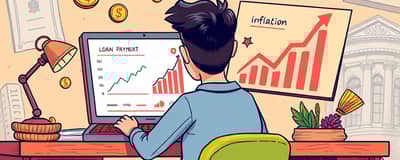
Debt can trigger significant cognitive strain and anxiety, often unnoticed until it accumulates.
Research shows that eliminating even one debt account improves cognitive function dramatically.
It reduces anxiety by substantial margins and cuts present bias effectively.
These effects are as impactful as receiving a month's income in relief.
Student loans, in particular, cast a long shadow over life satisfaction.
They are mentally labeled more strongly as debt, undermining overall happiness persistently.
- Debt increases mental accounting costs, creating a poverty trap.
- More accounts mean more perceived losses, impairing decision-making.
- Chronic debt reinforces counterproductive behaviors over time.
This cycle can feel overwhelming, but awareness is your ally.
How Personality Shapes Your Debt Journey
Your personality traits play a key role in debt accumulation and repayment.
Understanding this can help you tailor your approach to managing loans.
For instance, impulsivity is a strong predictor of repayment problems.
It drives reckless borrowing for instant gratification, leading to financial chaos.
Neuroticism fuels spending as a stress coping mechanism, heightening anxiety cycles.
Conscientiousness, on the other hand, promotes budgeting and timely repayment consistently.
- Extraversion and openness may lead to debt for social image or experiences.
- Recognizing these traits helps in developing personalized debt management plans.
- Self-awareness is crucial for breaking free from detrimental patterns.
By aligning strategies with your personality, you can build healthier financial habits.
Debt Repayment Strategies That Boost Motivation
Effective repayment isn't just about math; it's about psychology.
Concentrated repayment, focusing on few or smallest accounts, enhances motivation significantly.
This method leverages the goal-gradient effect, making progress feel more tangible.
Studies confirm it leads to higher subsequent repayment aggression.
The effect is strongest on smallest accounts, where partial payoffs signal overall progress.
- Debt Snowball: Pay smallest debts first for quick wins and confidence.
- Debt Avalanche: Target highest-interest debts for logical efficiency and cost savings.
- Both methods can fit different mindsets, offering flexibility in approach.
Debt structure matters; fewer accounts yield outsized psychological gains.
Streamlining debts can demotivate if misapplied, so choose wisely.
This table highlights how aligning strategies with your needs can transform repayment.
Navigating Emotional Triggers and Stress Responses
Debt evokes powerful emotions like shame and helplessness regularly.
These feelings can lead to stress spending, exacerbating the debt cycle further.
Neuroticism intensifies this through unhealthy coping mechanisms over time.
Emotional impacts include reduced psychological functioning and higher risk aversion.
To cope, start by acknowledging these emotions openly and honestly.
- Reframe debt as a temporary challenge, not an identity marker.
- Practice mindfulness to spot triggers and replace negative thoughts.
- Use cognitive restructuring: change "I'll never escape" to "One step at a time".
Building resilience is key; budgeting restores agency and control effectively.
- Incorporate meditation, exercise, and social support to combat isolation.
- Limit comparisons on social media to reduce pressure and anxiety.
- Engage in hobbies for healthy distraction and mental relief.
These strategies can reduce anxiety and help you regain emotional balance.
Building a Positive Loan Mindset for Empowerment
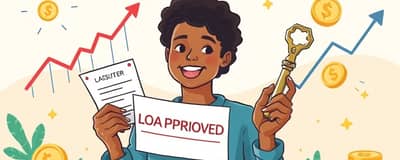
Shifting from debt aversion to empowerment is a transformative journey.
Start with financial education to build confidence and lower anxiety gradually.
Learn about interest rates and planning to take control of your finances.
Set clear goals and milestones; break debt into manageable chunks carefully.
Track progress using apps like Mint or YNAB for visual reinforcement.
Celebrate small wins to sustain motivation and reinforce positive behavior.
- Tweak psychological ownership by using low-ownership language to curb debt uptake.
- Leverage support networks to share struggles and reduce shame.
- Seek professional help if needed to build resilience and confidence.
Proactive management, such as consolidation or negotiations, cuts helplessness deeply.
Fun tricks like positive language and visualizing progress can make the process engaging.
Reducing accounts streamlines mental load, aiding sustained motivation over time.
Policy insights show that streamlined debts improve cognition more than equivalent relief.
The Path Forward: From Burden to Freedom
Debt doesn't have to define your life; it can be a stepping stone to growth.
By understanding the psychology behind it, you can reclaim your mental space.
Implement these strategies to transform your relationship with money positively.
Embrace the journey toward financial freedom with patience and persistence.
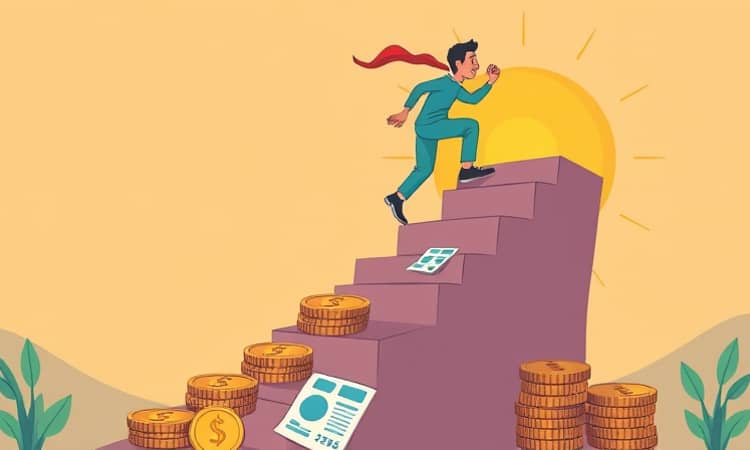
Remember, every payment is a step closer to a lighter, more empowered you.
Your mindset is your greatest asset in this battle against debt.