
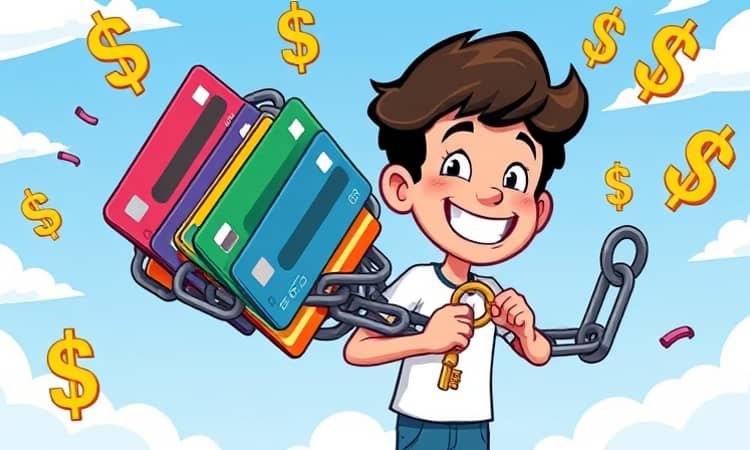
Credit card debt is no longer just a personal finance issue; it has become a widespread crisis affecting millions. With balances soaring to record highs, many find themselves trapped in a cycle of high interest and mounting payments.
This article explores how credit card consolidation can be a powerful tool to regain control. It is not about escaping debt but mastering it through strategic moves.
By understanding the methods and risks, you can turn overwhelming debt into a structured plan. One monthly payment can simplify your life dramatically.
The Alarming Reality of Credit Card Debt
Recent statistics paint a grim picture of the financial landscape. In early 2026, total U.S. credit card debt hit a staggering $1.21 trillion.
A significant portion of this debt, 73%, is tied to essential expenses. People are using cards for car repairs, medical bills, and routine living costs.
- Average balances vary widely, from $5,595 per user to nearly $11,000 per household.
- Generational trends show that Gen X holds the highest at $9,600, with all age groups seeing increases.
- Interest rates remain high, with a median of 25.3%, making repayment challenging.
- Usage patterns reveal that 81% of adults have at least one card, and 46% carry balances monthly.
- Delinquency rates stand at 3.6%, and 22% of users make only minimum payments, perpetuating debt cycles.
This data underscores the urgency for effective debt management strategies. Consolidation offers a way out by addressing these high costs head-on.
What Is Credit Card Consolidation?
At its core, credit card consolidation combines multiple balances into a single, more manageable payment. It does not erase debt but restructures it for better efficiency.
The goal is to replace high-interest credit card debt, often at 20-25% APR, with lower-rate options. This can lead to significant savings over time.
For example, using a home equity loan at 6.2% instead of credit cards at 25% can drastically reduce interest payments. Lower interest rates are the key to faster debt elimination.
Methods to Consolidate Your Debt
There are several approaches to consolidation, each with its own pros and cons. Choosing the right one depends on your credit score, financial situation, and goals.
This table highlights the main options, but it is crucial to assess each carefully. Your choice should align with your ability to repay and avoid new debt.
How Consolidation Works: A Step-by-Step Guide
Implementing consolidation requires a clear plan to ensure success. Follow these steps to navigate the process effectively.
- Assess your debts by listing all balances and APRs, such as $5,000 at 20% and $2,000 at 25%.
- Choose a method by comparing new rates to your current average; aim for savings.
- Apply and secure funds, with the lender paying creditors or you handling it directly.
- Repay the consolidated debt with fixed terms, avoiding new credit card spending.
For payoff strategies, consider the debt avalanche or snowball methods. Extra payments to highest APR first can accelerate progress.
Consistency is vital; stick to your budget and timeline. This disciplined approach turns consolidation from a concept into reality.
The Benefits of Taking Control
Consolidation offers numerous advantages that can transform your financial health. It is more than just a numbers game; it is about peace of mind.
- Simplifies finances by reducing multiple payments to one, saving time and reducing stress.
- Interest savings can be substantial, with examples showing reductions from 25% to 6.2%.
- Faster payoff becomes possible as lower rates allow more principal reduction.
- Credit impact includes an initial dip from inquiries but improves with on-time payments over time.
Ideal candidates have multiple high-rate cards and good credit. Discipline to avoid re-accumulation is essential for long-term success.
By streamlining payments, you can focus on other financial goals, such as saving or investing. This holistic approach fosters a healthier relationship with money.
Navigating Risks and Knowing When to Avoid
While consolidation has benefits, it is not without risks. Understanding these can prevent pitfalls and ensure it is the right choice for you.
- Fees and costs, such as transfer fees of 3-5% or closing costs for home equity options, can add up.
- Variable rates may expire, leading to higher payments if not managed properly.
- Qualification often requires good or excellent credit, limiting options for some.
- Discipline is required to avoid racking up new balances on cleared cards.
Compare consolidation with alternatives like debt settlement to make an informed decision.
Avoid consolidation if you have poor credit, no payoff plan, or ongoing overspending habits. Ongoing overspending habits can undo all progress.
In the 2026 context, falling interest rates due to Fed cuts make consolidation more favorable. However, always assess your personal situation first.
Conclusion: Mastering Your Financial Future
Credit card consolidation is a fine art that balances strategy with personal discipline. It empowers you to take charge of debt rather than letting it control you.
Start by reviewing your debts and exploring options today. With the right approach, you can turn financial stress into a story of resilience and success.
Remember, the goal is not just to reduce numbers but to build a sustainable financial life. Build a sustainable financial life through mindful choices and consistent action.