
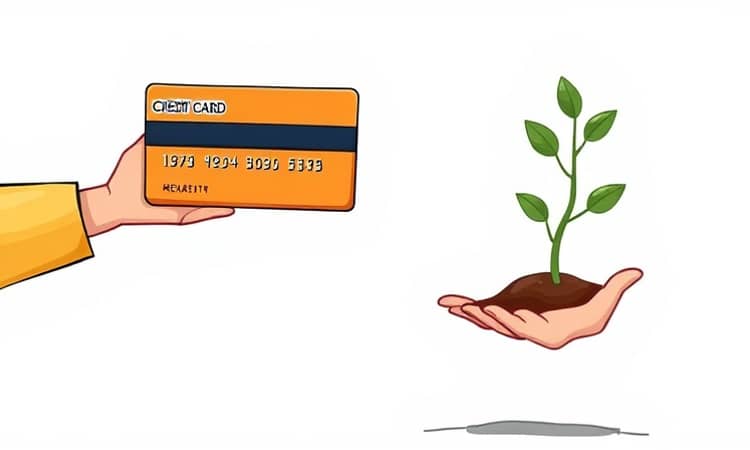
In today's financial landscape, record $1.21 trillion in credit card debt paints a stark picture of widespread struggle and opportunity for change.
This debt isn't just a number; it represents real people grappling with daily expenses and the high costs of borrowing.
Yet, by embracing responsible habits, you can turn credit cards from a source of stress into a tool for building a secure future.
Understanding the current context is the first step toward mastering your financial well-being.
The Debt Landscape: Understanding the Scale
Credit card usage is pervasive, with 81% of American adults holding at least one card.
The average balance sits at $5,595, but many households face nearly $11,000 in debt.
What's more alarming is that 73% of credit card balances stem from essentials like medical bills and home repairs.
This isn't about luxury spending; it's about survival in an expensive world.
- Total credit card debt reached $1.233 trillion in Q3 2025.
- 46% of U.S. adults carry a balance month to month.
- 22% of users make only minimum payments, extending debt indefinitely.
- 14% struggle to consistently meet even minimum payment requirements.
These statistics highlight a crisis driven by necessity, not frivolity.
Why We Overspend: Psychological Insights
Research shows that consumers tend to spend more with credit cards than cash, a behavioral quirk that can lead to unintended debt.
The convenience of swiping or tapping removes the immediate pain of payment, making it easier to overshoot budgets.
This digital-first reality is compounded by the fact that 69% of purchases occur online.
Mobile devices account for 32% of these transactions, further blurring spending awareness.
- 94% of consumers value the convenience of credit cards.
- Credit card fraud cases surged 53% from 2019 to 2023, adding to financial risks.
- Over 80% used credit for holiday purchases in 2024, often carrying debt for months.
Recognizing these patterns is crucial for developing mindful spending habits.
Generational Challenges and Trends
Debt affects all age groups, but patterns vary significantly across generations.
Gen X holds the highest average balance at $9,600, reflecting mid-life financial pressures.
Every generation from Gen Z to Baby Boomers has seen increases in credit card debt over recent years.
Younger consumers, however, are shifting priorities, with 60% of Gen Z and Millennials favoring banks that offer sustainable card materials.
- 60% of Gen Z had a credit card in their early 20s, higher than Millennials at the same age.
- Credit limits average $29,855, but vary by age due to credit history length.
- Generational accountability means tailoring strategies to life stages and values.
This diversity underscores the need for personalized financial approaches.
The Interest Rate Trap
High interest rates are a major barrier to debt repayment, with median rates at 25.3%.
This is starkly higher than mortgage rates, which were around 6.2% in late 2025.
The compounding effect of these rates can turn manageable balances into long-term burdens.
This table shows how rates vary, but all remain substantially higher than other loans.
Even with Federal Reserve cuts, credit card APRs outpace many borrowing options.
Strategies for Responsible Use
To avoid the minimum payment trap, start by prioritizing debt with the highest interest rates.
Consider balance transfers or consolidation loans, but be wary of fees and terms.
For some, cash-out refinances offer relief, with average withdrawals of $94,000 enough to cover typical balances.
However, this requires careful evaluation of long-term financial implications.
- Set a strict budget that allocates funds for essentials and debt repayment.
- Use credit cards for planned purchases only, not impulse buys.
- Monitor statements regularly to catch errors or fraud early.
- Aim to pay off balances in full each month to avoid interest charges.
- Build an emergency fund to reduce reliance on credit for unexpected costs.
These steps can help break the cycle of perpetual debt.
A Look Ahead: 2026 Outlook
The financial forecast shows signs of stabilization, with credit card balances expected to grow by just 2.3% in 2026.
This is the smallest annual increase since 2013, indicating improved consumer resilience.
Balances are projected to reach $1.18 trillion by year-end, up modestly from $1.16 trillion in 2025.
This moderation contrasts with the double-digit growth seen in 2022-2023, suggesting households are managing credit more responsibly.
- Credit card delinquency rates are forecast to remain flat at 2.57% for 90+ days past due.
- Lenders are maintaining disciplined underwriting while cautiously expanding access.
- This trend reflects a shift toward sustainable financial practices across demographics.
Embracing this progress can inspire confidence in your own financial journey.
Practical Steps for Financial Health
Start by assessing your current debt and creating a repayment plan with clear milestones.
Utilize tools like autopay for minimum payments to avoid late fees, but strive to pay more.
For small business owners, note that 79-83% use business credit cards, with average monthly spending at $13,000.
Separating personal and business expenses is key to maintaining clarity and control.
Remember, responsible use isn't about deprivation; it's about empowerment and security.
By adopting these keys, you can harness credit cards to build credit, earn rewards, and achieve financial freedom.