
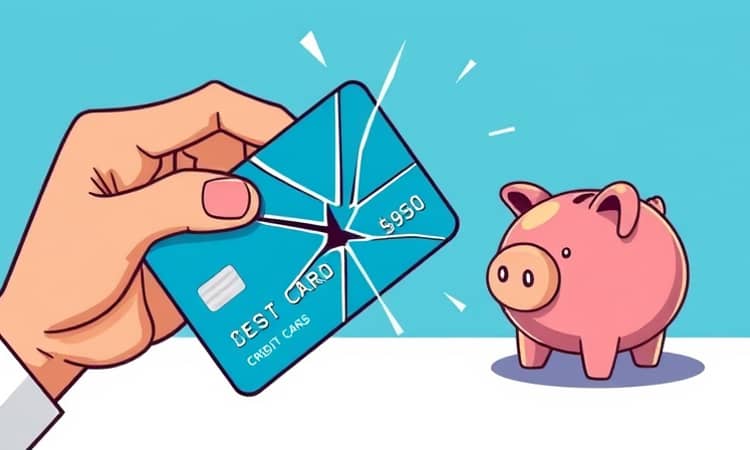
In a financial landscape marked by uncertainty, **a startling 27% of Americans** face emergencies with no savings to fall back on.
This reality forces many to turn to credit cards, a choice that offers immediate relief but often leads to long-term strain.
With nearly 40% unprepared for a **$400 unexpected expense**, the reliance on plastic has become a critical issue.
This article explores why credit cards tempt us in crises, the profound risks they hide, and how to build a safer financial future.
The Alarming State of Emergency Savings in America
Current statistics paint a concerning picture of financial preparedness across the nation.
The average emergency fund stands at $16,800, yet this number masks widespread vulnerability.
- 27% of Americans have no emergency savings whatsoever.
- 29% have savings covering less than three months of bills.
- 44% manage to save for three to six months, which is the recommended benchmark.
- 83% of hourly workers hold less than $500 in savings, highlighting income disparities.
- Savings rates have plummeted from 32% in 2020 to less than 5% in 2024.
Demographic insights reveal deeper divides.
Millennials aged 28-43 show a 34% rate of having no savings, compared to 16% for Baby Boomers aged 60-78.
In California, six cities rank in the top ten for needing the largest emergency funds, pointing to regional cost pressures.
Disturbingly, 60% of people dip into emergency savings for daily expenses, blurring the line between crisis and routine.
Fewer than 15% include emergency savings in their monthly budget, underscoring a systemic oversight in financial planning.
Why Credit Cards Tempt Us in Emergencies
When shock expenses strike, credit cards offer a seemingly easy solution.
A quarter of Americans prefer using credit cards over savings for unexpected costs, drawn by their accessibility and flexibility.
- For a $1,000 emergency, 25% would use a credit card and pay over time, up from 21% the previous year.
- This preference stems from the immediate access cards provide, avoiding the delay of loan approvals or family borrowing.
- In contrast, only 10% would borrow from family, and 7% would sell items, making cards a more convenient choice.
The psychological allure is strong, as cards create a sense of control in chaotic moments.
However, this short-term fix often ignores the compounding consequences that follow.
The Hidden Dangers of Credit Card Dependency
Relying on credit cards for emergencies can trigger a cycle of debt and financial stress.
High-interest debt with double-digit APRs is typical, leading to ballooning balances if not managed carefully.
Even cards with 0% introductory rates eventually revert to high costs, catching users off guard.
- Credit scores suffer from high utilization ratios, with over 30% usage causing significant damage.
- Maxing out cards risks limit reductions, cancellation, and additional fees, restricting future access.
- Overspending becomes habitual, borrowing from one's future self without a clear repayment plan.
- Building actual savings becomes harder while paying off card debt, creating a vicious cycle.
To illustrate these risks comprehensively, the table below categorizes the key impacts:
Beyond the table, compound interest can grow balances rapidly if not paid off monthly.
Credit might not be accepted everywhere, and issuers could cut or cancel cards unexpectedly, leaving users stranded.
These factors collectively undermine financial stability and long-term well-being.
When Credit Cards Can Be a Temporary Solution
In limited scenarios, credit cards might serve as a bridge during emergencies.
As a last resort, they are better than higher-rate options like payday loans, which carry even steeper costs.
- Cards with 0% introductory APR can be viable supplements for those with good credit scores of FICO 690 or above.
- They provide immediate flexibility, buying time if a solid payment plan is in place and paid off quickly.
- Wise use, such as paying off balances immediately, avoids most of the associated risks.
However, this approach requires discipline and should never replace building a cash reserve.
It's a stopgap, not a strategy, emphasizing the need for proactive financial habits.
Building a Robust Emergency Fund: Practical Steps
To escape the credit card trap, focus on creating a dedicated emergency savings account.
Aim for three to six months of expenses, a gold standard that only 28% feel they have achieved.
Start by automating transfers from your paycheck to a high-yield account, where interest can grow your money.
- Open a high-yield savings account with APYs around 2%, turning $5,000 into $5,100 in a year.
- Set up automatic transfers post-payday to ensure consistent contributions without effort.
- Keep the account separate from daily spending to avoid temptation, using it solely for crises.
- Continue small contributions even after reaching your goal to account for inflation and life changes.
Financial well-being links directly to savings levels.
Vanguard research shows that having at least $2,000 in savings is associated with a 21% higher sense of financial security.
Regularly check free credit reports and scores to monitor your progress and avoid surprises.
Consider better alternatives like personal loans or debt consolidation for lower rates if credit is needed.
These steps foster resilience and reduce reliance on high-cost borrowing.
Conclusion: Taking Control of Your Financial Future
Prioritizing emergency savings over credit card dependence is crucial for long-term stability.
With 33% of Americans having more credit card debt than savings, the urgency to act is clear.
Embrace the mindset shift from short-term fixes to sustainable planning.
- Review your budget to include savings as a non-negotiable category, aiming for incremental progress.
- Educate yourself on financial tools and resources, leveraging community programs or online courses.
- Celebrate small milestones, such as saving your first $1,000, to stay motivated and committed.
- Seek professional advice if needed, especially when dealing with existing debt or complex situations.
Remember, building an emergency fund is not just about money—it's about peace of mind and empowerment.
By taking these steps, you can navigate emergencies with confidence and secure a brighter financial horizon.