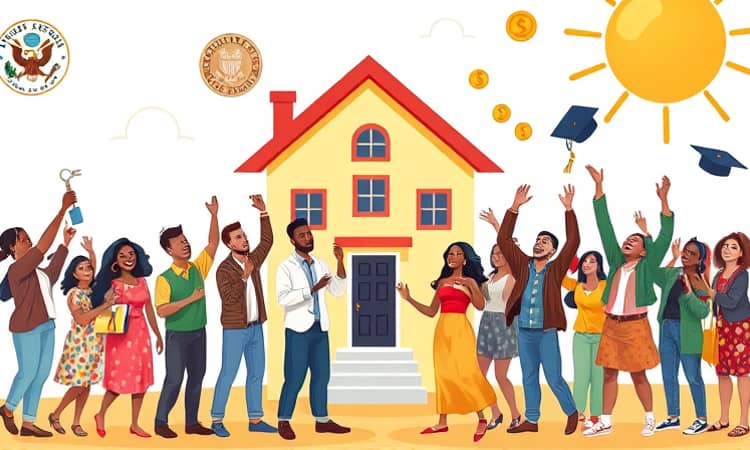
Imagine unlocking the door to your first home or launching the business you've always envisioned. Government-backed loan programs offer a lifeline to make these dreams achievable for millions.
Supported by federal agencies, these loans provide a safety net that reduces lender risk. This leads to better terms and flexibility often missing in traditional financing.
In 2026, with updates to interest rates and loan limits, opportunities abound. Explore the accessible options available now to empower your financial future.
Understanding the Main Types of Loan Programs
Government-backed loans are categorized to serve diverse needs, from housing to education. They feature benefits that prioritize accessibility over strict requirements.
Common programs include housing loans, small business loans, and student loans. Each is tailored with specific eligibility criteria and advantages.
- Housing loans: FHA, VA, and USDA programs for homebuyers.
- Small business loans: SBA programs like the 504 loan for growth.
- Student loans: Federal Direct loans with income-driven repayment plans.
- Conforming loan limits: Set by FHFA for Fannie Mae and Freddie Mac.
These options ensure that financial barriers are lowered for those who need it most. Lenient credit requirements and lower down payments make homeownership possible for many.
Housing Loan Programs: Your Path to Homeownership
Housing loans dominate government-backed options, aiming to expand homeownership. They cater to low-income, rural, veteran, or first-time buyers with tailored features.
FHA Loans: Flexible Financing for First-Time Buyers
Backed by the Federal Housing Administration, FHA loans are offered through private lenders. They require as little as 3.5% down payment and have lenient debt-to-income ratios up to 45%.
Benefits include lower cash to close and options for down payment assistance. Streamlined refinancing and rehab loans like the 203k add versatility.
- Eligible properties: Single-family homes, duplexes, condos, and manufactured homes.
- Minimum credit score: Typically around 620 for most programs.
- No specific 2026 limits, but designed for affordability and accessibility.
These loans are ideal for those with limited savings or credit history. Income-based protections and flexible terms provide a safety net for borrowers.
VA Loans: Honoring Service with Zero Down Payment
VA loans are exclusively for veterans, active-duty personnel, and certain National Guard members. They offer 100% financing with no private mortgage insurance and no loan caps for eligible borrowers.
Eligibility depends on service period and discharge status, with relaxed home requirements. This program recognizes sacrifice with unparalleled financial benefits.
Qualifying discharges include hardship or service-connected disability cases. This ensures support for those who served without unnecessary barriers.
USDA Loans: Supporting Rural and Low-Income Communities
USDA loans focus on rural areas, with programs for guaranteed and direct home loans. They aim to provide decent housing for those with limited income.
The Single Family Housing Guaranteed Loan Program requires income at or below 115% of the median. It features competitive rates and minimal down payments often as low as 1%.
- Eligibility: U.S. citizens or qualified aliens, primary residence only.
- Minimum credit score: Typically 600, with flexibility for factors.
- Interest rates for direct loans can drop to 1% with assistance.
The Section 502 Direct Home Loans offer subsidies based on income. Payment assistance reduces monthly costs temporarily for very-low-income borrowers.
Small Business Loans: Fueling Entrepreneurship with SBA
SBA loans, like the 504 program, support for-profit U.S. businesses with growth potential. They provide financing for real estate or equipment with favorable terms.
Eligibility includes tangible net worth under $20 million and average net income below $6.5 million. Small business growth is encouraged with accessible capital even for startups with bad credit.
- Requirements: Sound business purpose, repayment ability, and good character.
- Exclusions: Nonprofits and passive or speculative businesses are not eligible.
- Benefits: Lower down payments and longer repayment terms than conventional loans.
This program helps entrepreneurs turn ideas into thriving ventures. It fosters economic development and job creation in communities nationwide.
Student Loan Programs: Investing in Education with Federal Support
Federal Direct Loans offer financing for higher education with income-driven repayment options. Starting in 2026, changes will streamline borrowing limits and repayment plans.
Undergraduate limits remain mostly unchanged, while graduate limits are set at $20,500 per year. Student loan forgiveness after 30 years is available under the new RAP plan.
- Repayment options: Standard fixed plans or income-driven RAP with payments as low as $10 per month.
- Lifetime limits: $100,000 for graduate loans, $200,000 for professional degrees.
- Parent PLUS loans: $20,000 per year per student, with a $65,000 lifetime cap.
These programs ensure that education is accessible without overwhelming debt. Flexible terms and forgiveness options provide long-term financial relief.
General Benefits and How to Apply
Government-backed loans come with numerous advantages that make financing more attainable. They reduce risk for lenders, leading to competitive rates and lenient criteria.
Key benefits include low or no down payments and no private mortgage insurance for VA loans. Streamlined refinancing and rural area access add to the appeal for specific groups.
- Lower interest rates compared to conventional loans.
- Income-based protections for housing and student loans.
- Accessibility for veterans, low-income families, and rural residents.
- Easier qualification with flexible credit and debt-to-income ratios.
To apply, start by checking your eligibility based on income, credit, and purpose. Application is via approved private lenders not directly from government agencies.
Use resources like USA.gov to explore programs and gather required documents. Take the first step towards your financial goals by consulting with a trusted lender today.
With these programs, barriers are lowered, and dreams are within reach. Embrace the opportunity to build a brighter future with government-backed support.