
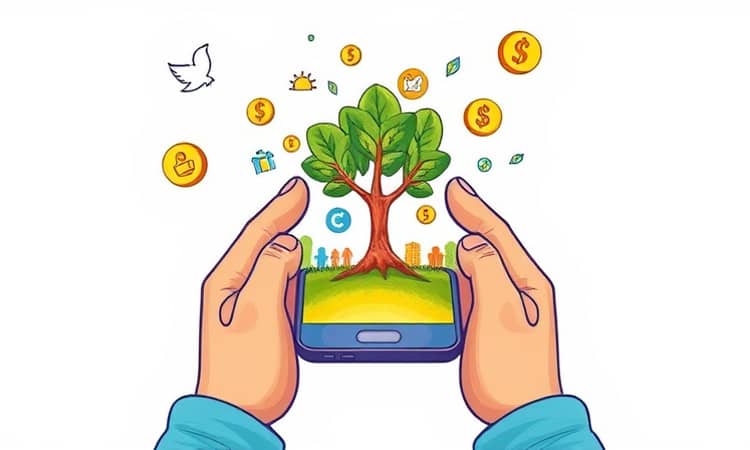
In today's fast-paced financial world, money often flows without conscience, funding industries that harm our planet and society.
Ethical banking emerges as a beacon of hope, offering a way to prioritize social and environmental responsibility in every transaction.
This movement empowers individuals to ensure their savings and investments support causes they believe in, not detract from them.
By choosing ethical banks, you can transform your financial footprint into a force for good, contributing to a more just and sustainable economy.
Ethical banking is defined by its commitment to moral principles over mere profit, creating a ripple effect of positive change.
What is Ethical Banking?
Ethical banking refers to financial institutions that operate based on core principles that prioritize sustainability, fairness, and community well-being.
Unlike traditional banks focused solely on shareholder returns, ethical banks balance profit with stakeholder welfare including clients and environment.
They actively avoid harmful sectors and invest in initiatives that promote social good and ecological health.
This approach ensures that your money works for you while benefiting the world around you.
Core Principles of Ethical Banking
The foundation of ethical banking rests on several key principles that guide every decision and operation.
These principles ensure transparency, accountability, and a positive impact on society and the environment.
- Transparency in all operations: Open disclosure of investments and business practices to build trust.
- Avoiding harmful industries completely: No funding for fossil fuels, weapons, or gambling sectors.
- Positive investments in communities: Supporting local projects, green startups, and affordable housing.
- Sustainable practices like paperless systems: Reducing carbon footprints and promoting eco-friendly actions.
- Community engagement through events: Sponsoring scholarships and inclusive lending models.
- Client screening for ethical standards: Ensuring partners align with moral values beyond finances.
These principles create a financial ecosystem that values people and planet as much as profit.
Types of Ethical Banks
Ethical banking comes in various forms, each catering to different values and goals for investors and savers.
Understanding these types helps you choose a bank that best aligns with your personal ethics and financial needs.
- Sustainable or Green Banks: Focus on environmental projects such as renewable energy and climate tech.
- Community Development Banks: Serve low-income or underserved areas with tailored loans and services.
- Cooperative Models member-driven: Emphasize welfare over profit maximization through democratic decision-making.
- Impact-Led Banks prioritizing ESG: Invest in portfolios labeled for social and environmental impact.
- Faith-Based or Values-Aligned Banks: Such as Islamic finance, which stress fairness and transparency.
No single standard exists, allowing flexibility to match individual values through verified lending practices.
Benefits and Drawbacks of Ethical Banking
Adopting ethical banking offers significant advantages but also presents challenges that require careful consideration.
Weighing these aspects can help you make an informed decision about your financial alignment.
Additionally, ethical banking fosters innovation and consumer loyalty, but risks include inconsistent practices due to flexible definitions.
- Pros building strong communities: Enhances trust and supports social good startups.
- Cons potential financial risks: May face economic challenges from ethical rejections.
Market Insights and Growth Trends
The ethical banking sector is experiencing rapid growth, driven by digital advancements and increasing consumer awareness.
Global banking is projected to reach USD 28,052.8 billion by 2031, with ethical practices gaining traction through green finance.
Key statistics highlight this expansion, showing a shift towards more responsible financial systems.
- E-banking is expected to grow to USD 1,328 billion by 2031, fueled by smartphone adoption.
- Open banking enables ethical alignment, with Europe leading at a 41.2% market share.
- Neobanking, often ethical, is set to reach USD 261.4 billion by end-2025, driven by digital tools.
- Regional data shows the USA, China, and UK as top markets, emphasizing global interest.
- AI is projected to boost banking profits significantly, integrating with ethical practices.
This growth indicates a bright future for aligning finances with values on a large scale.
Future Trends in Ethical Banking
Looking ahead to 2026 and beyond, several trends are shaping the evolution of ethical banking.
These developments promise to make ethical finance more accessible, transparent, and impactful for individuals worldwide.
- Sustainability and ESG integration rising: Increased use of green bonds and impact portfolios.
- Digital tools enhancing transparency: AI and open banking for personalized ethical services.
- Consumer demand for personalized options: Shift towards values-driven and sustainable banking solutions.
- Regulatory policies supporting innovation: EU initiatives like PSD2 boosting fintech and ethical practices.
- Private banking focusing on ESG: Investments in poverty alleviation and climate solutions.
These trends highlight the ongoing balance between ethics and profitability in the financial sector.
How to Align Your Finances with Ethical Banking
Choosing an ethical bank requires diligence to ensure it matches your personal values and financial goals.
Follow these practical steps to make a confident and impactful decision about your banking partner.
- Review the bank's lending transparency and published ESG reports for verification.
- Check the percentage of loans directed to communities or environmental causes.
- Look for certifications or memberships in ethical banking networks and associations.
- Assess their avoidance of harmful industries and support for positive initiatives.
- Evaluate digital tools offered for easy, transparent, and sustainable banking experiences.
By taking these actions, you can effectively align your finances with your ethical standards, contributing to a better world.
Conclusion: Embracing a New Financial Paradigm
Ethical banking is not just a niche trend; it is a transformative approach to finance that empowers individuals to make a difference.
By aligning your money with your values, you invest in a future where economics serves humanity and the environment.
As ethics become a baseline for global economies, your choices today can drive positive change for generations to come.
Start exploring ethical banking options today, and take control of where your financial influence goes, creating a legacy of responsibility and hope.