
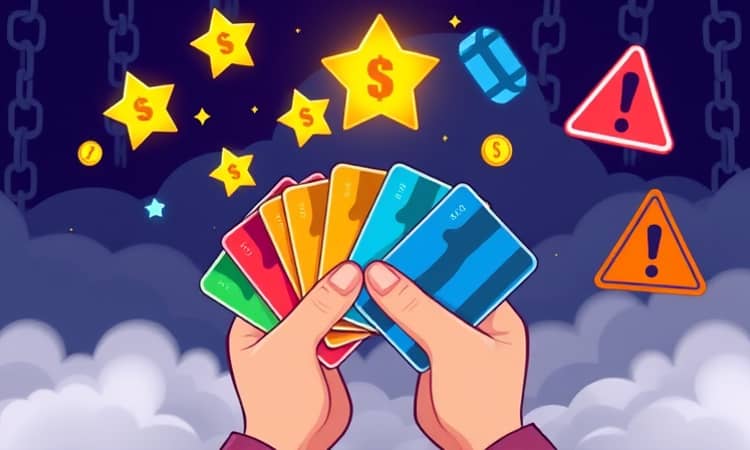
In the world of personal finance, credit card churning stands out as a tempting yet perilous strategy.
It involves opening multiple new credit cards to earn welcome bonuses, such as points, miles, or cash back.
This practice, often called credit card farming, can yield substantial rewards but carries hidden dangers.
As more people seek to maximize their financial gains, understanding both sides is crucial for making informed decisions.
Understanding Credit Card Churning
Credit card churning is defined by a cycle of applying for cards, meeting spending requirements, and closing accounts.
Users target sign-up offers, like 25,000 points for spending $3,000 in three months.
These bonuses can be redeemed for flights, hotel stays, or other perks, making churning an attractive proposition.
However, it's not just about quick gains; it requires careful planning to avoid pitfalls.
The allure lies in the potential for significant financial benefits without additional cost.
How Credit Card Churning Works
The process follows a structured approach to maximize rewards while minimizing risks.
Here is a step-by-step breakdown of how churning typically unfolds.
- Apply for new credit cards strategically, spacing applications to avoid denials.
- Meet the minimum spending requirements within the specified timeframe.
- Receive the welcome bonus after the spending is verified and posted.
- Wait for any required periods, then close the account before the second-year annual fee.
- Repeat the cycle with different cards or issuers to continue earning rewards.
An example involves opening Card 1, spending the minimum, earning the bonus, and closing it pre-fee.
Then, move on to Card 2 to repeat the process, often targeting cards with no or low first-year fees.
This method relies on using planned purchases, like furniture or groceries, to meet spending goals.
The Rewards: Why People Chase Them
The potential benefits of credit card churning can be substantial, driving many to engage in this practice.
Churners can net thousands in bonuses from sign-up offers and ongoing rewards.
For instance, earning 6% back on $6,000 in groceries yields $360, minus fees, resulting in a profit.
The rewards ecosystem is fueled by interchange fees and issuer incentives, making it a lucrative market.
In 2022, U.S. consumers earned over $40 billion in rewards from major credit cards.
This represents a 50% increase from 2019, highlighting the growing appeal.
Rewards include cashback, points for travel, and tiered perks that enhance everyday spending.
A table below summarizes key reward types and their funding sources.
These rewards encourage loyalty and increased spending, benefiting both users and issuers.
However, they come with hidden costs and risks that must be acknowledged.
The Risks: The Dark Side of Churning
While the rewards are enticing, credit card churning poses significant financial and credit risks.
One major concern is the damage to credit scores from multiple hard inquiries.
This can lower your score and shorten your credit history age, making you appear riskier to lenders.
Other credit-related risks include increased debt amounts and reduced credit mix diversity.
Here are common credit score pitfalls associated with churning.
- Multiple hard inquiries that temporarily lower scores.
- Shortened average credit history age from new accounts.
- Higher debt-to-credit ratios, signaling financial stress.
- Increased risk of missed payments, affecting payment history.
- Less diversity in credit types, such as all revolving debt.
Financial downsides extend beyond credit, leading to potential overspending and debt accumulation.
Users might overspend to meet minimum requirements, incurring interest if balances are not paid in full.
Annual fees can sometimes exceed the value of rewards, negating any benefits.
Banks have implemented countermeasures, such as clawing back bonuses or shutting accounts.
This table highlights key financial risks to consider.
Losing track of cards and payments can result in collections and higher denial rates.
It's essential to weigh these risks against the potential rewards before diving in.
Industry Insights and Trends
The broader credit card industry context reveals trends that impact churning strategies.
Rewards are funded indirectly by non-users and merchants through interchange fees.
This encourages loyalty but may lead to debt for high-spenders who overextend themselves.
Since 2020, 91% of spending has occurred on rewards cards, showing widespread adoption.
Economic pressures, such as recessions, could devalue perks or increase thresholds.
Consumer behavior is shifting, with more people using rewards for essential purchases.
For example, 53-84% of users expect perks like on-time payment rewards.
The rise of digital payments and buy-now-pay-later services adds competition to traditional rewards.
Understanding these trends helps churners adapt their approaches responsibly.
Bank Policies and Churning Prevention
Banks are increasingly vigilant in detecting and preventing churning activities.
They flag behaviors like multiple account openings in a short time or rapid closures.
Policies may limit bonuses per card lifetime, with shutdowns occurring without warning.
Issuers use data analytics to identify patterns, such as duplicates or gaming the system.
This makes it riskier for churners, as bonuses can be clawed back and accounts closed.
Staying informed about bank policies is crucial for anyone considering this strategy.
Tips for Responsible Churning
To engage in credit card churning safely, follow these practical guidelines.
First, choose cards with low minimum spends and waived first-year fees to minimize costs.
Use churning for planned expenses only, such as groceries or bills, to avoid unnecessary debt.
Always pay balances in full each month to prevent interest charges and maintain financial health.
Space out applications over time to reduce the impact on your credit score.
Diversify your credit mix by including different types of accounts, not just credit cards.
Avoid churning if you have a poor payment history or are prone to debt accumulation.
Here is a list of key tips for responsible churning.
- Select cards with easy minimum spend requirements and fee waivers.
- Incorporate churning into your budget for planned purchases only.
- Pay off all balances before the due date to avoid interest.
- Apply for new cards sparingly, with gaps between applications.
- Monitor your credit score regularly to catch any negative changes early.
- Consider alternative rewards strategies if churning seems too risky for your situation.
By adhering to these practices, you can navigate the world of churning more effectively.
Remember that financial discipline and awareness are your best tools for success.
Credit card churning offers a path to rewards, but it demands caution and responsibility.
With the right approach, you can enjoy the benefits while mitigating the risks.