
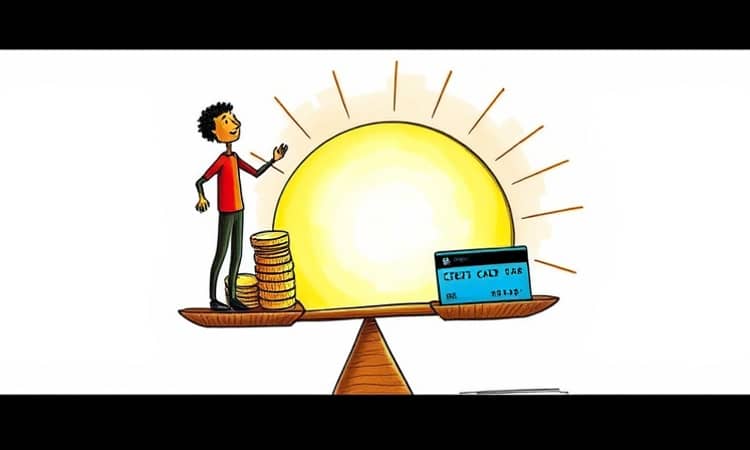
In the quest for financial freedom, credit card balance transfers can be a powerful tool for debt management, but they require careful navigation.
This strategy involves moving high-interest debt to a new card with a lower rate, offering a temporary relief that can accelerate your payoff journey.
Understanding this process is crucial for making informed choices and avoiding common pitfalls.
It's a decision that hinges on your unique financial situation and discipline.
What Exactly Is a Balance Transfer?
A balance transfer relocates outstanding debt from one or more credit cards to a new card.
This new card typically offers a promotional period with a lower interest rate or 0% APR, making it an attractive option for debt consolidation.
Issuers may facilitate this by sending checks to pay off old balances or handling it directly.
This mechanism allows you to focus on repaying the principal without hefty interest charges.
Key Financial Metrics to Consider
Before diving in, assess these critical factors to gauge the feasibility of a balance transfer.
- Transfer fees typically range from 3% to 5% of the transferred amount, which can add up quickly.
- Promotional periods last from 6 to 21 months, providing a window for debt payoff.
- Credit score requirements often demand good to excellent credit scores to qualify.
These elements directly impact your potential savings and eligibility.
The Advantages: How It Can Help You
Balance transfers offer several benefits when used wisely.
- Significant interest savings through low promotional rates allow more payments to go toward principal.
- Debt consolidation simplifies management by combining multiple balances into one payment.
- Improving your credit utilization ratio can positively affect credit scores.
- No collateral is required, unlike secured loans that risk personal assets.
This approach can transform your financial landscape if executed with a solid plan.
The Disadvantages: Potential Pitfalls
However, there are downsides that require caution.
- Transfer fees may nullify savings if the debt is short-term or paid off quickly.
- Promotional rates are temporary, and reverting to standard APRs can increase costs.
- There's a risk of accumulating more debt if old cards are reused irresponsibly.
- Hard inquiries from applications can cause a temporary credit score dip.
- Those with lower credit scores might not qualify for favorable rates.
Awareness of these challenges is key to avoiding financial setbacks.
Decision-Making Framework: When to Act
Use this framework to determine if a balance transfer aligns with your goals.
This comparison helps clarify the right scenarios for action.
Behavioral Strategies for Success
Adopting smart habits ensures long-term benefits from a balance transfer.
- Limit balance transfers to emergencies, not routine debt cycling.
- Create a detailed financial plan with monthly payment goals.
- Avoid using paid-off cards to prevent re-accumulating high-interest debt.
- Monitor your spending to maintain a budget that supports debt payoff.
- Seek professional advice if unsure about your strategy.
Discipline is the cornerstone of turning this tool into a pathway to freedom.
The Bigger Picture: Taking Control
Ultimately, a balance transfer is just one step in a broader financial journey.
It should complement other efforts like budgeting and saving to build a stable future.
Remember that the goal is not just to move debt, but to eliminate it entirely.
By making informed decisions, you can leverage this strategy to reduce stress and gain control over your finances.
Embrace this opportunity to transform your debt into a manageable challenge.
With the right approach, you can turn a temporary relief into lasting financial health.