The commodities market is where the pulse of the global economy beats through tangible assets.
From the oil that powers industries to the metals in our technology, these raw materials are the building blocks of modern life.
Investing here can unlock significant diversification and growth in unpredictable times.
This guide will help you navigate the complexities and seize opportunities with confidence.
Understanding the Commodities Market
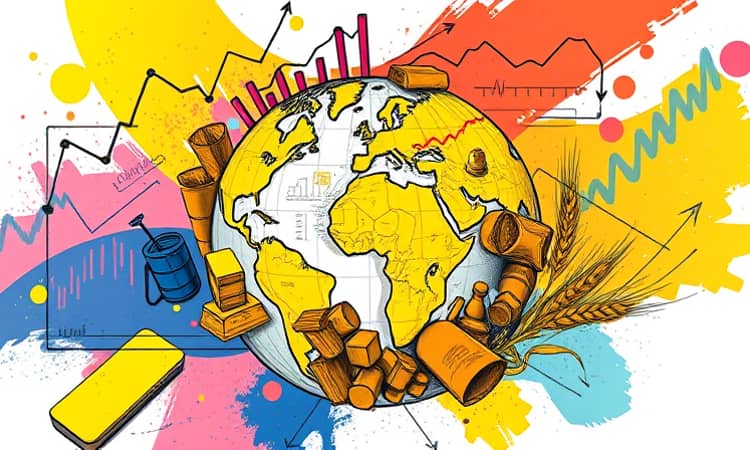
Commodities markets involve trading raw materials that fall into three main sectors.
Each sector has its own dynamics, influenced by global events and economic shifts.
- Energy: Includes oil, natural gas, and renewable sources.
- Metals: Covers precious metals like gold and industrial metals like copper.
- Agriculture: Encompasses grains, livestock, and soft commodities like coffee.
These markets are driven by supply and demand, geopolitics, and technological advancements.
Understanding these basics is the first step toward making informed investment decisions.
The Energy Sector at a Crossroads
Energy commodities are experiencing transformative changes as the world shifts toward sustainability.
Abundant oil and gas supplies have led to price declines, but opportunities remain.
The rise of electric vehicles is a key factor, with over 20 million EVs sold in 2025.
This shift reduces oil demand but boosts needs for metals and infrastructure.
Natural gas has shown strong performance, highlighting the sector's resilience.
Investors should watch for trends in renewable energy and supply adjustments.
- Oil prices are expected to moderate in 2026 after recent volatility.
- Natural gas returns surged by 33.5% in 2025, defying broader declines.
- Renewable investments are accelerating, driven by clean tech advancements.
This sector offers a mix of stability and growth potential for savvy investors.
Metals: The Shining Stars of Commodities
Metals are divided into precious and industrial categories, each with unique drivers.
Precious metals like gold and silver have been standout performers recently.
Silver, in particular, saw a 93.0% increase in 2025, driven by solar demand.
Supply constraints and central bank purchases add to their appeal.
Industrial metals benefit from infrastructure projects and green technology.
Copper and aluminum are essential for EVs and renewable energy systems.
- Gold remains a safe-haven asset amid economic uncertainty.
- Copper demand is rising due to wiring needs in solar panels and electric vehicles.
- Aluminum usage is growing in lightweight vehicles and grid infrastructure.
Investing in metals can hedge against inflation and support long-term growth.
Agriculture: Stability Amidst Volatility
The agriculture sector is cautiously optimistic after periods of price swings.
Grains like wheat and corn have seen softer prices due to ample supplies.
Livestock, such as cattle, has shown gains from supply shortages.
Emerging market demand and diet shifts are key growth drivers.
Niche plays in commodities like coffee offer opportunities for focused investors.
- Soybeans and soy oil posted significant returns in 2025.
- Cattle prices rose 11.2% due to the smallest US herd in 70 years.
- Coffee surged 29.16%, influenced by weather and trade factors.
This sector provides a buffer against economic downturns and inflation risks.
2026 Outlook: Navigating Future Trends
The broad commodities outlook for 2026 is optimistic despite recent declines.
Global prices are projected to fall to their lowest in six years, but opportunities abound.
Key drivers include the energy transition, stable economic growth, and supply imbalances.
Lower interest rates and cyclical expansion could fuel market gains.
Investors should prepare for volatility from geopolitical tensions and supply disruptions.
- Energy markets may stabilize with moderate oil price expectations.
- Metals are set to gain from green tech adoption and infrastructure spending.
- Agriculture could see stability with reduced spike risks in grain prices.
Staying informed on these trends is crucial for strategic investing.
Investment Opportunities in Commodities
Commodities offer diverse ways to enhance your portfolio and achieve financial goals.
Diversification through metals can capitalize on the green energy wave.
Energy and agriculture provide stable returns in balanced market conditions.
Precious metals serve as a hedge during times of uncertainty and inflation.
Industrial metals benefit from global infrastructure and technology projects.
- Consider ETFs or futures for broad exposure to commodity sectors.
- Focus on metals like copper and silver for growth from renewable energy.
- Explore agriculture ETFs for stability and niche opportunities in soft commodities.
These strategies can help build a resilient and profitable investment portfolio.
Risks to Consider in Commodities Investing
While opportunities are plentiful, commodities come with inherent risks that require careful management.
Geopolitical events can disrupt supply chains and cause price spikes.
Weather patterns significantly impact agriculture yields and commodity availability.
Economic factors like AI debt bubbles or interest rate changes add volatility.
Supply disruptions in shorter lines can lead to sudden market shifts.
- Monitor political tensions in key producing regions for energy and metals.
- Track climate forecasts to anticipate impacts on agricultural outputs.
- Stay updated on global economic policies that affect commodity demand.
Being aware of these risks allows for better preparedness and adaptive strategies.
Practical Steps for Getting Started
Entering the commodities market can seem daunting, but with the right approach, it becomes accessible.
Begin by educating yourself on the different sectors and their key drivers.
Use tools like market reports and financial news to stay informed on trends.
Start small with diversified investments to minimize risk and gain experience.
Consult with financial advisors to tailor strategies to your personal goals.
- Research historical performance data to understand market cycles.
- Diversify across multiple commodity types to spread risk effectively.
- Set clear investment objectives and timeframes for your commodity holdings.
These steps can empower you to navigate the market with confidence and clarity.
This table summarizes key metrics to guide your investment decisions effectively.
Commodities investing is not just about profits; it's about connecting with the global economy's core.
By understanding these markets, you can build a portfolio that thrives on change and innovation.
Embrace the journey with curiosity and resilience, and let raw materials fuel your financial future.