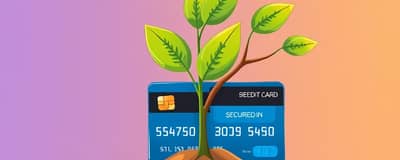

Welcome to the exciting world of credit building, where a simple piece of plastic can pave the way to financial maturity and independence.
Starting early with credit is like rolling a snowball down a hill, as efforts reinforce each other and grow over time, unlocking opportunities for loans, apartments, and more.
This guide will equip you with practical strategies and insights to navigate this journey confidently, ensuring you make informed decisions from day one.
Understanding Credit Scores and History
Your credit score is a numerical snapshot of your creditworthiness, typically ranging from 300 to 850, and it plays a crucial role in your financial life.
A score above 670 is generally considered good or better, which can lead to lower interest rates and better terms on loans.
Before applying for a card, check your score if possible; if you have no history, secured cards are an excellent starting point.
Factors influencing your score include payment history, amounts owed, length of credit history, new credit, and credit mix.
Payment history is the most significant factor, so prioritize on-time payments to build a strong foundation.
Establishing credit early helps extend your history length, which positively impacts your score over time.
- Check your credit score first to know where you stand.
- Use secured cards if you have no credit history.
- Focus on maintaining a long credit history by starting small.
Types of First-Time Credit Cards
Choosing the right card depends on your situation, with several options tailored for beginners.
Secured credit cards require a deposit that equals your credit limit and are ideal for those with no history, as they report to bureaus monthly.
Starter or student cards often come with low limits and no annual fees, making them accessible for young adults.
Credit-builder cards serve as a stepping stone, while store cards offer discounts but come with high rates, so use them cautiously.
- Secured cards: Deposit-based, reports to all three major bureaus.
- Starter cards: Low limits, no fees, great for students.
- Credit-builder cards: Designed to help build credit gradually.
- Store cards: Tempting discounts but high interest rates.
Each type has its benefits, so select one that aligns with your financial goals and spending habits.
Choosing the Right Card
When selecting a card, consider factors like fees, interest rates, and rewards to maximize value.
Look for cards with low or no annual fees and minimal interest rates to avoid unnecessary costs.
Rewards and benefits can add perks, but don't let them tempt you into overspending; focus on building credit responsibly first.
Ensure the card reports to all three major credit bureaus—Experian, Equifax, and TransUnion—as this is essential for building your score.
Typical first card limits range from $500 to $1,000, with opportunities for increases over time.
- Prioritize low or no annual fees to save money.
- Choose cards with transparent terms from trusted institutions.
- Verify that the card reports to all three credit bureaus.
- Opt for higher approval chances if you have limited history.
Application Requirements and Strategies
Applying for a card involves providing basic information like age, income, Social Security number, and contact details.
If you have no income, consider becoming an authorized user on someone else's card to start building credit.
Responsible use is key; keep your credit utilization below 30% of your limit to maintain a healthy score.
For example, on a $5,000 limit, spending $1,000 keeps utilization at 20%, which is ideal.
- Provide accurate information: SSN, address, income verification.
- Use a checking or savings account for payments.
- Become an authorized user if you lack income.
- Limit credit inquiries to avoid hurting your score.
Responsible Use and Building Strategies
Using your card wisely involves small, regular purchases like coffee or streaming services, and paying the balance in full each month.
On-time payments are critical; set up reminders or automatic payments to avoid late fees and score dings.
Monitor your utilization closely, aiming to stay under that 30% threshold to optimize your credit health.
Additionally, request credit limit increases every 6 to 12 months to improve your utilization ratio and score.
- Make small, consistent purchases to show activity.
- Pay your balance in full and on time monthly.
- Keep utilization low by spending less than 30% of your limit.
- Graduate to unsecured cards as your credit improves.
Alternative and Supplemental Methods
Beyond cards, other methods can boost your credit, such as becoming an authorized user on a card with good credit history.
Ensure the issuer reports authorized user activity to bureaus for it to count toward your score.
Credit mix, including revolving credit (like cards) and installment loans (like auto loans), can enhance your profile over time.
For later stages, consider loans or cosigners, but approach them cautiously to avoid debt traps.
- Become an authorized user on a well-managed card.
- Diversify with a mix of credit types for a stronger score.
- Use loans or cosigners only when necessary and manageable.
Monitoring and Growth Over Time
Building credit is a marathon, not a sprint; consistent activity over months and years leads to significant improvements.
Use tools like student cards or checking accounts with credit-building features to track progress.
Request limit increases periodically and transition to unsecured cards as you demonstrate responsible use.
Regularly check your credit reports for errors and celebrate milestones, like reaching a good score, to stay motivated.
Remember, patience and persistence are your allies in this journey toward financial stability.
Warnings and Pitfalls to Avoid
Common mistakes include maxing out your card, which can hurt your utilization and score, so spend within your means.
High fees and interest rates can add up quickly; always read the fine print to understand costs.
Overspending on rewards programs is tempting, but focus on building credit first before chasing perks.
Avoid too many applications in a short period, as each inquiry can temporarily lower your score.
- Never max out your credit card; keep balances low.
- Steer clear of cards with hidden fees or high rates.
- Resist the urge to overspend for rewards.
- Limit new credit applications to protect your score.
Benefits and Motivation for Your Journey
The benefits of building credit are vast, including lower interest rates on future loans, emergency funding options, and access to rewards programs.
Personalized advice from banks can guide you, making the process less daunting and more empowering.
As your credit grows, you'll unlock better financial products and opportunities, reinforcing the importance of starting now.
Embrace this as a step toward financial freedom, where each responsible action builds a brighter future.
Stay inspired by visualizing your goals, and remember that every payment and smart decision contributes to your success.