
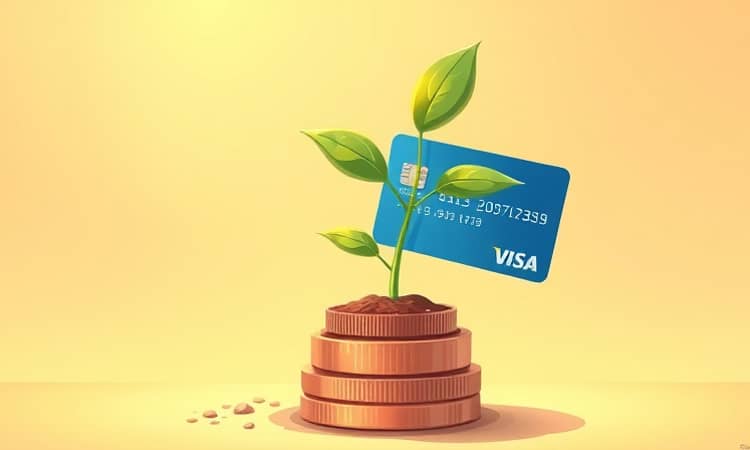
In today's world, credit is more than a score; it's a key that unlocks doors to financial freedom and stability.
For many, especially those with limited or poor credit history, this path can feel overwhelming and out of reach.
However, banking products like secured cards and credit-builder loans provide a safe, structured way to begin, turning anxiety into opportunity and paving the way for long-term success.
By leveraging these tools, you can build a solid foundation that leads to lower interest rates, better loan terms, and a sense of control over your financial destiny.
This article guides you through the essential products, best practices, and inspiring insights to help you embark on this empowering journey.
Core Banking Products for Credit Building
Understanding the available options is the first step toward building credit effectively.
Banking products designed for credit building are typically low-risk and accessible, making them ideal for beginners or those looking to rebuild.
They work by reporting your payment behavior to credit bureaus, which helps establish a positive history over time.
Here’s a comparison of the main products to help you choose the right one for your situation.
These products are complemented by additional tools that can enhance your credit-building strategy.
- Becoming an authorized user on a good-standing account.
- Using a cosigner to secure lower rates.
- Exploring credit-building apps for reporting and monitoring.
Diversifying your credit mix, such as combining cards with installment loans, can further strengthen your profile.
Who Benefits Most from These Products?
Credit-building banking products are particularly valuable for specific groups who face challenges in the traditional credit system.
They offer a lifeline to those who might otherwise be excluded from financial opportunities.
- Individuals with deep subprime scores, who hold 48% of secured card balances and 54% of small-dollar loan balances.
- People with no credit history or nonprime borrowers unable to qualify for standard products.
- Those looking to build savings simultaneously, as products like credit-builder loans act as a savings device.
Originations for these groups surged between 2020 and 2021, highlighting their growing importance.
By starting small and staying consistent, anyone can leverage these tools to transform their financial standing.
Best Practices for Success in Credit Building
To maximize the benefits of banking products, it’s crucial to adopt responsible habits from the outset.
These practices not only boost your credit score but also instill discipline that pays off in all areas of life.
- Pay on time every month, as payment history is the most significant factor in your credit score.
- Keep credit utilization low, ideally below 30% of your available credit limit.
- Monitor your progress regularly using free credit reports and scores to catch errors early.
- Avoid opening too many accounts at once, as hard inquiries can temporarily lower your score.
- Only borrow what you can comfortably repay to prevent debt accumulation and defaults.
Start with a secured product if you have the funds available, and gradually add variety as your credit improves.
General habits like maintaining low balances and making consistent payments build a robust profile for future financial endeavors.
Data and Market Insights
The credit-building sector has seen significant growth, driven by increased accessibility and awareness.
Recent data provides a clear picture of its impact and scale, offering motivation for those on this journey.
- Total outstanding balances reached $845 million across 3 million accounts in 2024:Q1.
- Secured cards dominate the market, historically being a key tool for credit building.
- Originations have risen post-2020, especially among subprime borrowers, indicating wider adoption.
This growth underscores the sector's role in expanding credit access and promoting financial inclusion.
For consumers, checking credit reports free of charge and understanding score factors are essential steps.
Financial Health Benefits and the Path Forward
Building credit with banking products leads to tangible long-term benefits that extend beyond a better score.
It’s a proactive step toward achieving overall financial wellness and security.
- Unlocks lower personal loan rates and better terms on future financial products.
- Simultaneously builds savings and credit history, creating a dual advantage.
- Encourages responsible financial behavior that translates to personal and business growth.
Banks are increasingly offering fee-averse products and integrating digital tools to support this journey.
However, it’s important to compare rates and terms carefully and recognize that discipline is key to success.
By embracing these strategies, you can pave a path to a stronger financial profile and a more secure future.
Remember, credit building is a marathon, not a sprint, and every small step counts toward your ultimate goals.