
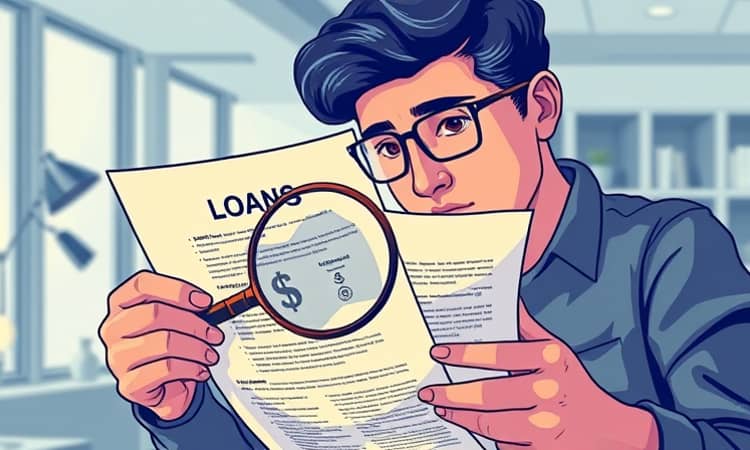
When you consider taking out a loan, the Annual Percentage Rate (APR) is often highlighted as the key metric for cost.
However, this number can be deceptively misleading, masking a complex web of additional charges that lie buried in the fine print.
For borrowers, these hidden costs can turn a manageable debt into a financial burden, leading to unexpected stress and financial strain.
Understanding what lurks beyond the APR is essential for making informed decisions and protecting your financial health.
This article will guide you through the common hidden fees, their impacts, and practical steps to avoid them.
Common Hidden Fees and Charges
Loan agreements frequently include fees that are not fully disclosed upfront, increasing the true cost of borrowing.
These charges can vary widely across loan types, from personal to business and mortgage loans.
Below is a detailed table summarizing some of the most prevalent hidden fees, based on comprehensive research.
This table highlights the diversity and potential impact of hidden fees.
Most lenders charge only one or two fees, but multiple hidden charges often signal a poor deal that should be avoided.
It is crucial to shop around and compare offers from different lenders to find the most transparent option.
- Frequency Notes: Typically, lenders impose 1-2 fees; more than that indicates a need for caution.
- Example from FTC: LendingClub deducted a hidden $500 fee from a $10,000 loan, despite claims of no hidden fees.
- Private loans often have the vaguest terms, increasing risk for borrowers.
How Fees Impact True Borrowing Cost
Hidden fees inflate the true cost of borrowing by reducing the net funds you receive while interest accrues on the full amount.
This makes the effective interest rate much higher than the advertised APR, leading to higher overall repayments.
For instance, consider a $15,000 loan with varying origination fees.
- With 0% origination fee, you receive $15,000 and repay with interest.
- With a 3% fee ($450), you net $14,550 but repay $15,464 plus interest.
- With a 6% fee ($900), you net $14,100 but repay $15,957 plus interest.
To actually net $15,000, you might need to borrow more, which increases the interest burden significantly.
APR includes some fees like origination, but it often misses others such as late payment or NSF fees.
Always compare the full APRs and request a detailed breakdown of all charges from lenders.
This practice ensures you are not caught off guard by unexpected costs down the line.
Other Hidden Traps in Agreements
Beyond fees, loan agreements can contain vague or ambiguous language that disproportionately favors the lender.
These traps can lead to legal disputes and erode trust between borrowers and lenders.
- Vague payment schedules that make it unclear when payments are due, causing confusion.
- Disproportionate terms that heavily favor the lender, often accused as predatory lending practices.
- Unauthorized actions, such as bank withdrawals without borrower consent, violating trust.
- Bundled fees rolled into the principal, meaning you pay interest on the fees themselves.
- Collateral charges in mortgages that secure multiple debts, increasing risk for borrowers.
Reading the full agreement carefully is essential for protection against these pitfalls.
If any clause seems unclear, seek clarification before signing to avoid future complications.
Loan Types and Specific Risks
Different loan types come with unique hidden costs and risks that borrowers must be aware of.
Understanding these can help you select the right loan and negotiate better terms.
- Personal Loans: Often include origination fees (1-8%), NSF fees ($10-50), and late fees ($25-40). Prepayment penalties are rare but should be verified.
- Business Loans: Can involve over 12 fees, such as origination (1-6%), guarantee fees for SBA loans, and various processing fees.
- Private and Mortgage Loans: Pose the highest risk with vague terms, servicing fees, and prepayment penalties that can trap borrowers.
Each loan type requires diligent scrutiny of the agreement to prevent surprises and ensure fair dealing.
By being informed, you can advocate for yourself and secure terms that align with your financial goals.
Practical Steps for Borrowers
To safeguard against hidden costs, follow these actionable steps that empower you as a borrower.
These strategies can help you navigate loan agreements with confidence and avoid unnecessary debt.
- Read the entire loan agreement, including all fine print, to identify any hidden clauses or fees.
- Demand transparency from lenders by asking for a detailed fee breakdown before committing.
- Compare not just APRs but all fees across multiple offers to find the best overall deal.
- Avoid loans with multiple hidden extras or vague terms that could lead to disputes.
- Use online calculators to estimate the true borrowing cost, factoring in all potential fees.
- Seek advice from financial advisors or utilize resources from consumer protection agencies for guidance.
By taking these steps, you can secure a fair deal and maintain control over your financial future.
Hidden costs in loan agreements are a pervasive issue that affects borrowers across all loan types.
Empowering yourself with knowledge is the first step towards achieving financial freedom and avoiding predatory practices.
Remember, a loan's true cost extends far beyond the APR advertised by lenders.
Stay vigilant, ask questions, and never sign an agreement without full understanding and confidence.
With awareness and proactive measures, you can borrow wisely and protect your financial well-being for years to come.